What does the sd value mean and why is it so important?
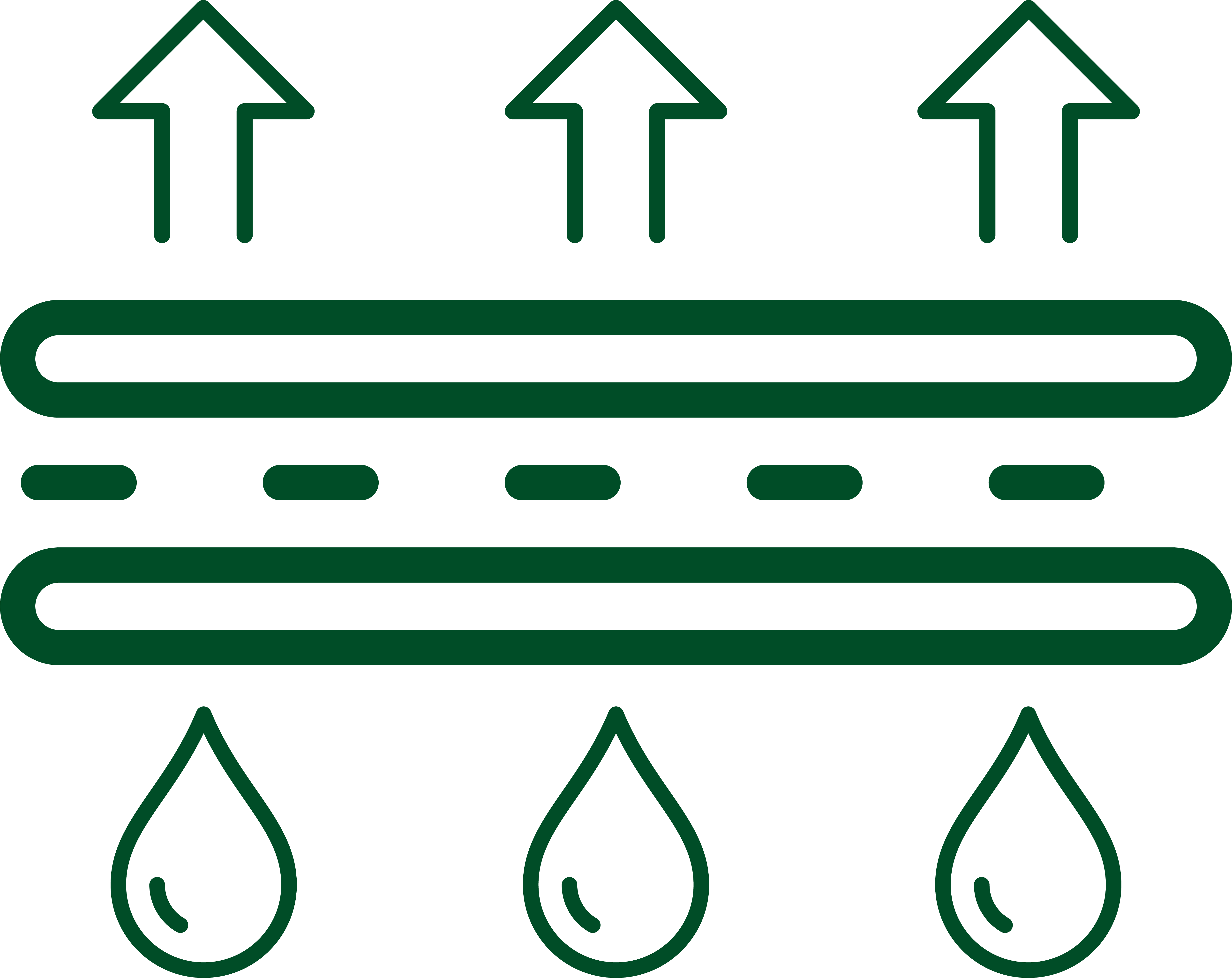
The diffusion resistance (sd value) indicates how strongly a material hinders the passage of water vapor. It is given in meters (m) and describes the air layer thickness that offers the same resistance to water vapor diffusion.
A low sd value means that moisture can diffuse more easily through the material, while a high sd value indicates a nearly impermeable layer.
What does a high or low sd-value mean?
- sd-value < 0.05 m: Very diffusion-open → Allows moisture to escape in a controlled manner (e.g., roofing membranes).
- sd-value 2 - 100 m: Vapor barrier → Regulates moisture, preventing condensation in insulation.
- sd-value > 100 m: Vapor retarder → Almost completely blocks moisture exchange.
How does the sd-value affect moisture protection in the roof?
In roof constructions, it is crucial that the sd values of the materials used complement each other optimally. A poor combination can lead to trapped moisture, which can result in mold or structural damage.
Typically, the following applies:
- On the inside (room side): A vapor barrier with variable sd-value that adapts flexibly to changing moisture conditions. Our ALMO Vapora Vario Vapor Barrier offers an ideal solution, as its sd-value ranges from 0.4m to 6m, allowing for controlled moisture regulation.
- On the outside (roof membrane): A diffusion-open membrane with a low sd-value, to allow moisture to escape.
Conclusion: The Right Choice of sd-Value
The choice of the right vapor barriers and roof membranes is strongly influenced by the sd-value. Proper coordination ensures dry insulation, better energy efficiency, and long-term protection against moisture damage.